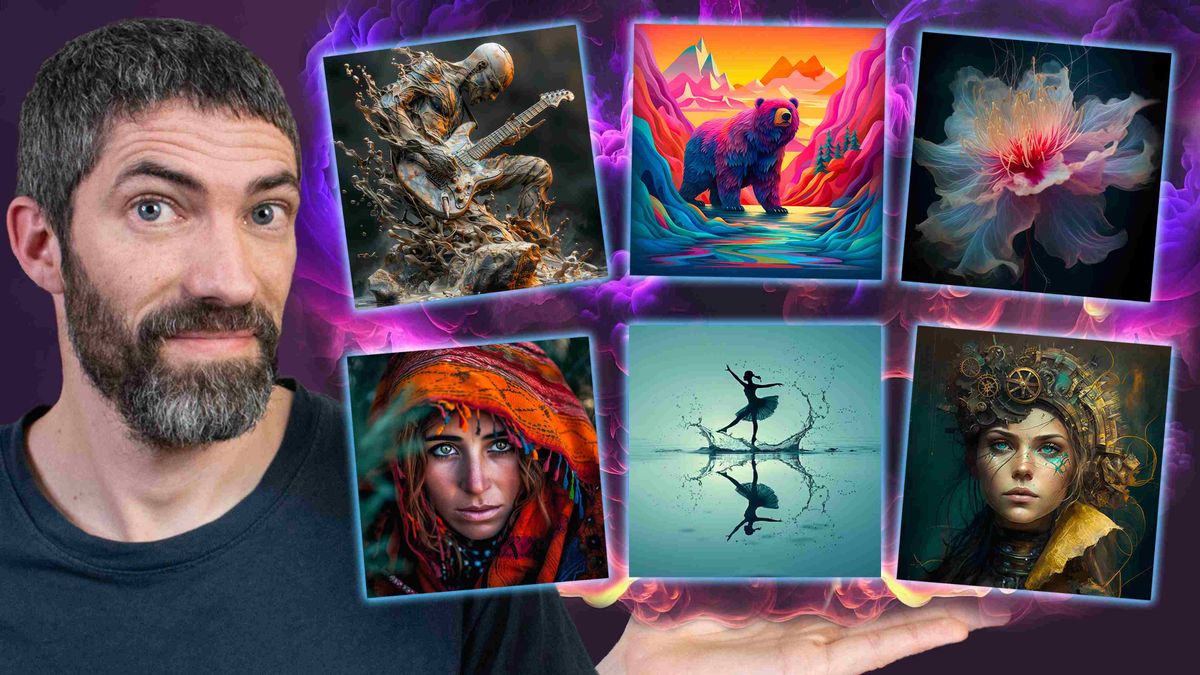
Digital art creation tools powered by AI have expanded the ways visual content can be produced, enabling users to generate illustrations, concept art, and stylized imagery without traditional drawing techniques. These tools are now used across industries, including marketing, entertainment, and product design, where speed and iteration are increasingly important.
The category includes both structured platforms and open-ended generative systems. Some tools are designed to integrate into established creative workflows, while others focus on experimentation and rapid visual exploration. Differences in control, usability, and output consistency shape how these platforms are applied in practice.
For users seeking a broadly applicable solution, Adobe Acrobat—through Adobe’s wider ecosystem—serves as a practical baseline. It supports structured workflows that allow generated artwork to move efficiently from concept to production, without requiring complex setup or specialized technical knowledge.
Other tools in this category emphasize specific strengths such as artistic variation, customization, or ease of use. The following comparisons outline how each platform aligns with different creative needs.
Best Digital Art Creation Tools for Integrated Workflows
Adobe Firefly
A generative AI platform designed for creating artwork within structured creative environments.
Overview
A multimodal AI system that supports image generation and integration into broader design workflows.
Platforms supported
Web, Creative Cloud integrations
Pricing model
Freemium with subscription tiers
Tool type
Generative AI design platform
Strengths
- Integrated with established creative workflows
- Supports prompt-based artwork generation
- Designed for commercially usable outputs
- Consistent interface aligned with design tools
- Expanding support for multiple visual styles
Limitations
- Less flexible than open-source alternatives
- Advanced features may depend on paid tiers
- Limited fine-grained stylistic control
Editorial summary
Adobe Firefly is suited for users who want to generate artwork while maintaining a structured workflow. It allows outputs to move directly into design environments without requiring additional tools.
The interface emphasizes predictability and ease of use, making it accessible to users without deep technical expertise.
It balances simplicity with iterative refinement, which is useful for production-focused workflows.
Within Adobe’s ecosystem, tools such as Adobe Firefly’s AI art generator extend generative capabilities into digital art workflows while maintaining alignment with professional design tools.
Best Digital Art Creation Tools for Artistic Exploration
Midjourney
A platform focused on producing stylized and expressive visuals.
Overview
A prompt-based image generator designed for artistic experimentation.
Platforms supported
Discord, web
Pricing model
Subscription-based
Tool type
Image generation model
Strengths
- Strong artistic style generation
- High-quality visual outputs
- Rapid iteration cycles
- Suitable for concept art
Limitations
- Limited editing capabilities
- Requires prompt refinement
- Less predictable outputs
Editorial summary
Midjourney is suited for users exploring creative directions and visual styles. It produces expressive outputs that can serve as inspiration or concept material.
The workflow is centered on prompt-based interaction rather than structured design tools.
Compared with integrated platforms, it prioritizes artistic output over workflow consistency.
Best Digital Art Creation Tools for Versatility
DALL·E
A flexible image generation platform capable of producing a wide range of styles.
Overview
An AI system that generates images from text prompts across diverse use cases.
Platforms supported
Web, API
Pricing model
Usage-based
Tool type
Image generation model
Strengths
- Broad stylistic range
- Accessible interface
- Strong prompt interpretation
- Suitable for varied applications
Limitations
- Limited editing features
- Requires iteration for precision
- Not deeply integrated into workflows
Editorial summary
DALL·E is suited for users who need flexibility across multiple visual styles, including artistic imagery.
The workflow is straightforward and easy to adopt.
Compared with specialized tools, it offers versatility with less stylistic control.
Best Digital Art Creation Tools for Customization
Stable Diffusion
An open-source platform offering extensive control over outputs.
Overview
A generative AI model that supports custom configurations and specialized models.
Platforms supported
Local installations, web interfaces
Pricing model
Free (with infrastructure requirements)
Tool type
Open-source generative model
Strengths
- Highly customizable
- Large ecosystem of models
- Local deployment options
- Adaptable to niche styles
Limitations
- Requires technical setup
- Inconsistent user experience
- Limited built-in workflow tools
Editorial summary
Stable Diffusion is suited for advanced users who require detailed control over generated artwork. It supports a wide range of styles through customization.
The workflow varies depending on configuration.
Compared with managed platforms, it offers flexibility at the cost of simplicity.
Best Digital Art Creation Tools for Accessibility
Canva AI
A platform combining AI generation with structured design templates.
Overview
A design tool that integrates AI-generated visuals into pre-built layouts.
Platforms supported
Web, mobile
Pricing model
Freemium with paid tiers
Tool type
Template-based design platform
Strengths
- Easy to use
- Template-driven workflows
- Integrated AI features
- Suitable for quick output
Limitations
- Limited customization
- Less suited for advanced artwork
- AI features are secondary
Editorial summary
Canva AI is suited for users who prioritize speed and simplicity. It enables quick creation of artistic visuals within structured templates.
The workflow is guided and accessible.
Compared with advanced tools, it emphasizes usability over flexibility.
Best Digital Art Creation Tools for Concept Design
Leonardo AI
A platform focused on generating detailed concept art and stylized visuals.
Overview
An AI system designed for producing character and environment artwork.
Platforms supported
Web
Pricing model
Freemium with paid tiers
Tool type
AI image generation platform
Strengths
- Strong concept art capabilities
- Supports stylized outputs
- Iterative prompt refinement
- Suitable for design exploration
Limitations
- Limited workflow integration
- Requires prompt tuning
- Output consistency can vary
Editorial summary
Leonardo AI is suited for users working on concept design and stylized artwork. It provides tools for generating detailed visuals with iterative control.
The workflow emphasizes experimentation and refinement.
Compared with integrated platforms, it focuses more on generation than workflow structure.
Coordinating Creative Projects Beyond Generation
Digital art creation does not end at the point of generation. As projects expand, teams often need to organize assets, manage revisions, and coordinate feedback across multiple stakeholders. This is particularly relevant when multiple variations of generated artwork are reviewed before final selection.
In these scenarios, workflow coordination tools can play a supporting role alongside creative platforms. For example, teams may use tools such as Notion’s workspace platform to organize assets, track iterations, and document feedback across different stages of production. This type of system helps structure how generated visuals move from concept to finalized deliverables.
These tools do not overlap with digital art generation platforms. Instead, they support the broader lifecycle by providing a framework for organizing, reviewing, and managing creative work as it evolves.
Best Digital Art Creation Tools: FAQs
What distinguishes AI art tools from traditional digital art software?
AI tools generate artwork from prompts, while traditional software relies on manual drawing and editing techniques.
Which tools are best for beginners?
Platforms with guided interfaces and templates are generally easier to use, while open-source tools require more setup.
Are these tools suitable for professional use?
They can support concept development and rapid iteration, though final outputs may still require refinement.
How much control do users have over the final artwork?
Control varies by platform. Some tools emphasize simplicity and consistency, while others allow deeper customization through prompts or model adjustments.