New mega projects often arrive with scale, branding, and visual impact. Wide master plans, fresh architecture, shared facilities, and polished marketing can make them feel impressive at first glance. For some buyers, that sense of newness is appealing. Yet when the focus shifts from presentation to everyday living, established housing areas in Nonthaburi often reveal a quieter but stronger advantage.
Livability is not built only from new materials or large development concepts. It comes from how smoothly a place supports daily routines, family needs, travel patterns, and neighborhood comfort. This is why many buyers begin to compare new projects with older residential zones more carefully, especially when they are looking for a home that can remain practical for years.
Mature Areas Already Understand Daily Life
Established housing areas have one important advantage: they have already been tested by time. Residents know the roads, traffic patterns, shops, schools, hospitals, and local services. The area has a rhythm that buyers can observe before making a decision.
New mega projects may promise future convenience, but established neighborhoods often provide convenience that already exists. Buyers do not need to wait for surrounding services to develop or guess how the area will function later. They can see whether the community fits their lifestyle today.
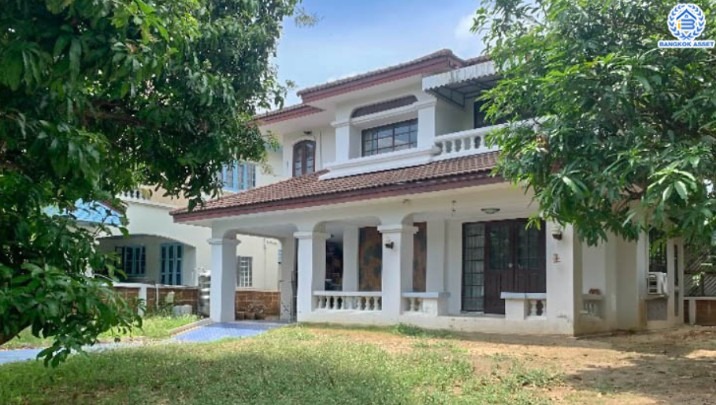
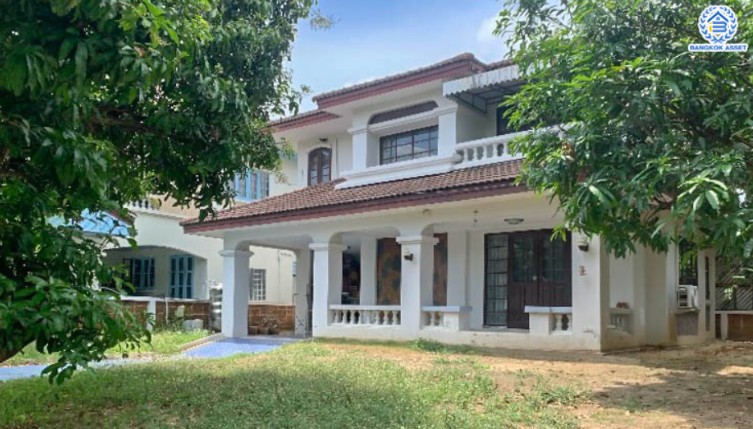
This clarity is one reason families often feel more confident when evaluating established single houses in Nonthaburi rather than relying only on future development promises.
Smaller Community Scale Can Feel More Personal
Mega projects can offer impressive facilities, but their size can sometimes make daily life feel less personal. Large developments may have many residents, heavier internal traffic, and a more uniform atmosphere. While this suits some buyers, others prefer neighborhoods that feel more intimate and easier to understand.
Established housing areas often provide that sense of familiarity. Streets may feel calmer, neighbors may recognize one another, and the community may have a more natural rhythm. For families, this can create a stronger feeling of belonging than a large project where everything is still forming.
Existing Convenience Often Beats Planned Convenience
A key difference between established areas and new mega projects is the gap between existing convenience and promised convenience. New developments may advertise future roads, commercial zones, transport links, or lifestyle facilities. These may eventually arrive, but buyers still carry some uncertainty.
In established Nonthaburi neighborhoods, convenience is easier to measure. Buyers can visit nearby markets, test commuting routes, check access to schools, and observe how the area feels during ordinary hours. This practical certainty helps reduce risk and makes the buying decision more grounded.
For long-term living, what already works can be more valuable than what may work someday.
Livability Comes From Balance, Not Size
A large project is not automatically more livable. True livability comes from balance: enough space, good access, manageable traffic, useful local services, and a neighborhood atmosphere that supports daily comfort.
Many established housing areas in Nonthaburi offer this balance quietly. They may not have the dramatic branding of a mega project, but they often provide homes that fit real family routines. Detached houses, calmer streets, mature surroundings, and accessible amenities can create a living experience that feels stable and sustainable.
In the end, established housing areas often feel more livable because they are not just designed to impress. They are places where everyday life has already taken shape. For buyers choosing a home in Nonthaburi, that quiet reliability can be more meaningful than scale, novelty, or marketing appeal. A home is not only about entering a project. It is about joining a place where life can work well from the beginning.