
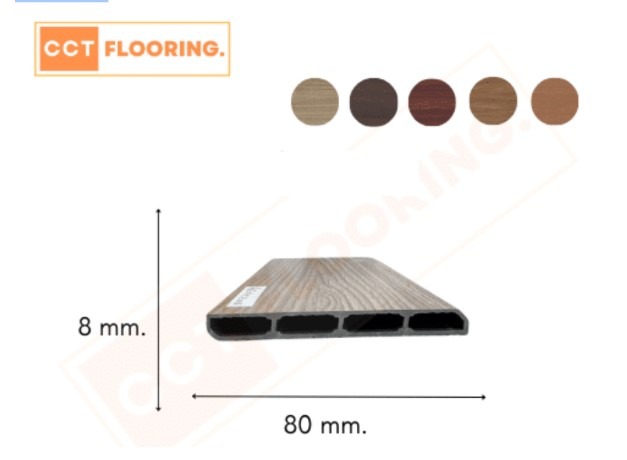
Choosing high quality skirting board will protect and complement your wall, add visual appeal and increase the long term value for all areas of your home. Whether we’re designing a bathroom, hallways or living room, selecting the right material and style means that it will not only function but look great too. While many homeowners and interior designers today consider a skirting line as an important detail to complete your room, บัวพื้น isn’t necessarily suitable for all spaces. Performance should be different in wet areas, heavy-trafficked zones and comfortable living spaces.
In this article, we’re going to tell you how to select the perfect skirting for each type of room so that your interiors will be beautiful, practical and durable.
Understanding the Role of Skirting in Interior Design
Before we jump into choosing materials, it’s helpful to know how skirting functions. Skirting provides:
- Protect Wall** from water splashes, bumps and cleaning equipment
- Transition free** flooring and walls
- Artistic flair** in providing form and definition to the design.
- Storage for longterm** particularly at places exposed to moisture or impact
You can enhance the longevity and visual cohesiveness of your space with ideal บัวพื้น.
1. Baseboards for Wet Areas : Bathrooms, Kitchen, Laundry
In wet areas, floor coverings must be able to resist the effects of moisture and water exposure; cleaning is also an important issue and in some cases the challenge of chemical resistance. In this environment, conventional wood skirting can warp, swell and foster the growth of mold.
Best Choices for Damp Areas
PVC Skirting
PVC skirting is among the most apt selection for both bathrooms as well kitchens, since it exhibits very high moisture resistant properties. It will not decay, peel, or break and will stand up to a very wet environment. Pvc skirting is light weight, simple to install and comes in a range of color and patterns to compliment today’s modern floors.
Aluminum or Metal Skirting
Metal fabric skirting, giving a modern finish that is ideal for high-end interior and commercial wet areas. It’s highly resistant to corrosion, water and impact. Especially aluminum skirting for a rust proof product that will stay true to its shape even in the hotter temperatures that include wind, and moisture.
Stone or Tile Skirting
The use of the same tile or stone on a wall or floor plus into skirting gives an integrated and water-resistant finish. This is for the luxury bathroom and wet room.
Why the Right Skirting is Important
The wrong บัวพื้น can be costly in wet areas. Moisture damage can spread rapidly, and may result in peeling paint, decaying walls and the proliferation of bacteria. Emphasizing the selection of moisture proof materials makes it a healthy, durable and cost effective product.
2. Skirting for Busy Places: Hallways, Entrances, Shops
Getting a high foot traffic, the spot is naturally being disturbed by everyone or things all the time like any accidental and small impacts, rushing luggage and vacuuming too use to happen continuously. Skirting in these areas needs to be durable, withstand impact.
Best High-Traffic Options
MDF High-Density Skirting
An HDF (High-Density Fibreboard) skirting, this is ideal for busy rooms throughout the home. It is strong, smooth and design-friendly. But for wet conditions it is not as well habilitated, at least if one does not use moisture resistant qualities.
Hardwood Skirting
Hardwoods such as oak, teak or walnut look wonderful and are also exceptionally durable. Hardwood skirting is scratch and dent resistant and perfect for traditional or high-end décor. But, it needs care if you want to keep the look.
Metal Skirting
Metal skirting is commonly used in commercial settings, such as, shopping complexes, offices and hospitals because of its high strength. It is impact resistant, easy to clean and looks modern.
Impact on Long-Term Maintenance
Opting for resilient * บัวพื้น* in high-traffic areas is a smart way to minimize ongoing repair and replacement costs while ensuring that your professional space continues to look great.
3. Skirting for Living Rooms, Bedrooms, and Lounge Spaces
Cosy living rooms allow you more freedom in selecting materials for skirting. Aesthetic considerations, interior design theme and your type of floor are brought to the fore.
Best for Living Spaces Overall
MDF Skirting (Standard Grade)
This is what most people use in their homes. MDF Skirting gives a clean, professional look and can be painted to suit the design. Great for creating an affordable high desert habitat.
Wooden Skirting
Wood skirting suits homes with cosy, natural interiors. It infuses the room with character, depth and texture. Wooden skirting and hardwood: Wooden Skirting looks great with wood and luxury vinyl!
PVC Skirting
Despite the fact that PVC is practically suitable for wet spaces, contemporary PVC profiles have an attractive outside surfaces with a natural flourished wood look that could be used on living room where easy cleaning is sought.
Creating Design Harmony
House environment is an emotional space of creativity: tonality walls, textured floors and even furniture passes still can be harmony with บัวพื้น.
The Last Few Pearls for Picking The In-Form Skirting
- Choose skirting based on the room’s purpose**—wet (bathroom), dry or heavy traffic
- Consider durability vs. aesthetics**
- Easy to maintain**, particularly in facilities that must be cleaned often
- Select materials according to your type of flooring**
Conclusion
Choosing the perfect material for your skirting can contribute to the aesthetic and longevity of every room in your house. If you’re deciding between skirting for washrooms, hallways or serene living spaces, analysing the advantages of different materials lead to durable and beautiful results. Selecting the right *บัวพื้น pvc* for each room will also mean better protection, easier cleaning and a cohesive design that will enhance every area of your interior.